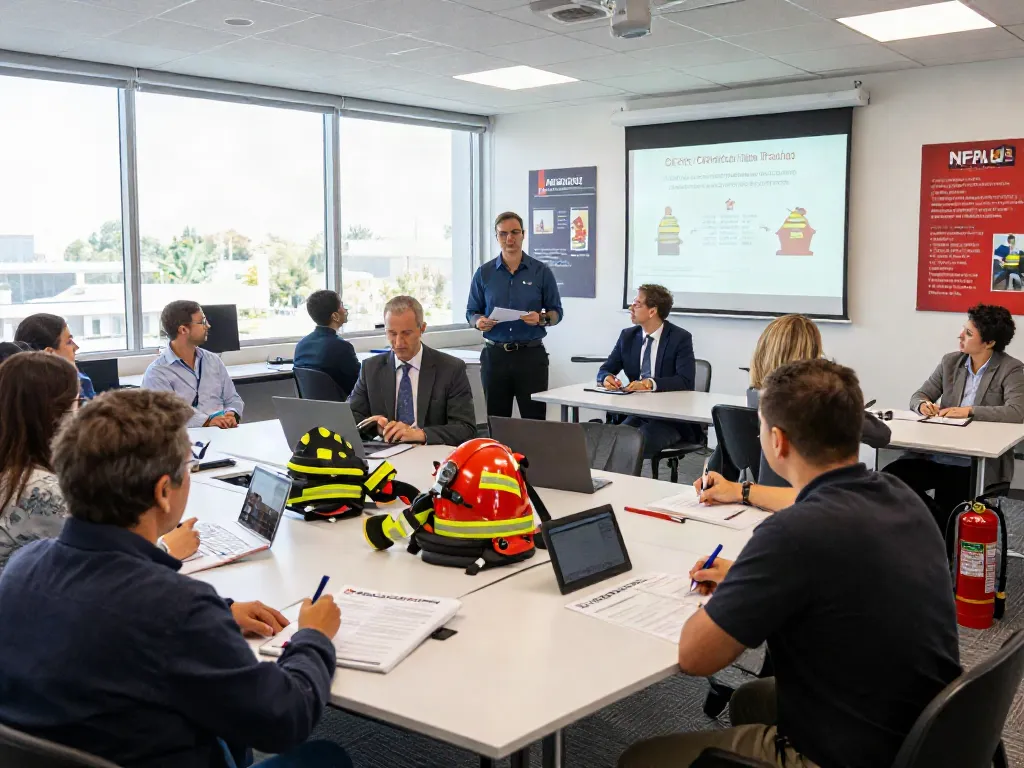
Understanding NFPA Certification Training
The National Fire Protection Association (NFPA) offers a robust certification training program that plays a crucial role in enhancing skills and knowledge in fire safety, risk management, and emergency response. As a globally recognized authority, the NFPA has been committed to preventing fire hazards and promoting safety standards for over 125 years. Their ongoing mission is to reduce loss of life and property due to fire-related incidents through education and training. In this context, NFPA Certification Training is essential for professionals seeking to build a solid foundation in fire safety protocols and prepare for real-world challenges.
What Is NFPA Certification Training?
NFPA Certification Training includes a variety of courses designed to impart knowledge and skills related to fire protection, electrical safety, and emergency response strategies. The courses cover important standards and guidelines set forth by the NFPA, ensuring participants understand how to effectively prevent and respond to fire hazards in various settings. Options for training include in-person workshops, online courses, and customized training solutions tailored to specific organizational needs.
Importance of NFPA Certification for Professionals
Obtaining NFPA certification is a significant milestone for fire safety professionals. It demonstrates a commitment to safety and a deep understanding of relevant codes and standards. Certifications such as Certified Fire Protection Specialist (CFPS) or Fire Inspector can lead to enhanced career opportunities, higher earning potential, and increased credibility in the industry. Employers often prefer certified professionals as they bring validated expertise to their organizations, reducing liability and promoting a culture of safety.
Key Benefits of Participating in NFPA Training
- Expert Instruction: Training is conducted by certified instructors with extensive experience in the fire safety field, providing insights that go beyond textbook knowledge.
- Networking Opportunities: Participants can connect with industry peers, experts, and potential employers, facilitating professional growth.
- Flexible Learning Options: NFPA provides diverse training delivery methods, including on-location training, online courses, and custom-tailored programs for specific organizational requirements.
- Certification Recognition: NFPA certifications are widely acknowledged in various industries, enhancing the professional profile of participants.
How to Get Started with NFPA Certification Training
Steps to Enroll in a Training Program
Getting started with NFPA Certification Training is straightforward. First, interested individuals should explore available courses on the NFPA website or through authorized training providers such as Burraq Consulting. It's essential to evaluate different training options, including format and course content, to find a program that aligns with professional goals. Once a suitable training program is selected, the enrollment process typically requires filling out an application form and paying the associated fees.
Choosing the Right Training Provider
Selecting an authorized training provider is crucial for ensuring the quality of education received. Look for providers who are part of the NFPA authorized education network (AEN) and have a proven track record in delivering NFPA training. Additionally, consider factors such as the instructor’s qualifications, course reviews, and support services offered to students during and after the training.
Preparing for Your Certification Examination
Preparation for the NFPA certification examination involves a combination of coursework, practical experience, and study. Candidates should utilize a variety of resources, including textbooks, study guides, and practice exams. Engaging with peer study groups or forums can also enhance understanding of key concepts and improve retention. It is advisable to allocate sufficient time for preparation to ensure confidence and competence on exam day.
Challenges in NFPA Certification Training
Common Misconceptions About NFPA Training
One misconception is that NFPA training is only for professionals in specific fields like firefighting or engineering. In reality, NFPA certification is beneficial for anyone involved in workplace safety, including facility managers, safety officers, and emergency response teams. Another common myth is that certification is unnecessary if one has years of experience; however, formal certification validates knowledge and can be crucial for career advancement.
Addressing Time Management in Training
Balancing work, personal commitments, and training can be challenging. To manage time effectively, consider the following strategies:
- Set a Schedule: Create a clear timeline for study sessions, assignments, and exam preparation to stay on track.
- Prioritize Tasks: Focus on the most critical areas first, especially those that will be tested in the certification exam.
- Utilize Online Resources: Online courses allow for flexibility, enabling participants to learn at their own pace while juggling other responsibilities.
Navigating Costs Associated with Certification
Certifications can involve various costs, including training fees, exam fees, and materials. To manage these expenses, research different training providers for competitive pricing and consider bulk training options for groups to save money. Many employers also offer financial support for professional development, so it’s worth discussing with company management.
Best Practices for Successful NFPA Certification Training
Interactive Learning Techniques for Better Retention
Utilizing interactive learning techniques can significantly enhance knowledge retention. Practical exercises, group discussions, and simulation-based training help participants apply theoretical concepts to real-world scenarios. Engaging activities not only make learning enjoyable but also facilitate a deeper understanding of critical safety protocols.
Utilizing Resources and Networking Opportunities
Participants should take full advantage of available resources, such as study materials, online forums, and mentorship programs. Networking within the NFPA community can provide additional insights and support. Building relationships with fellow participants and instructors can lead to valuable opportunities for collaboration and knowledge exchange.
Continuous Education and Certification Renewal
Certification is not a one-time achievement; it often requires ongoing education and renewal to stay current with evolving safety regulations and practices. NFPA encourages professionals to engage in continuous learning through refresher courses, workshops, and conferences. This commitment to lifelong learning enhances expertise and adaptability in a rapidly changing industry.
Future Trends in NFPA Certification and Training
Emerging Technologies in Training Delivery
The integration of technology into training programs is increasingly shaping the future of NFPA certification training. Virtual reality (VR) and augmented reality (AR) technologies are being explored to create immersive training experiences that simulate real-life fire scenarios. These innovations enhance engagement and retention by providing learners with hands-on experience in a safe environment.
Increasing Demand for Safety Certifications in Industries
As industries become more aware of the importance of workplace safety, the demand for safety certifications, including NFPA training, is expected to grow. Organizations are focusing on compliance with safety regulations to mitigate risks and improve overall safety standards. Professionals armed with NFPA certifications will be increasingly sought after as employers prioritize safety in their operations.
Predictions for NFPA Training Developments by 2026
Looking ahead, the NFPA is expected to continue evolving its training offerings to meet the changing needs of the industry. This may include expanding online training options, updating course content to reflect the latest technology and standards, and increasing the availability of specialized programs for niche sectors such as renewable energy or advanced manufacturing. The goal will remain clear: to equip professionals with the necessary skills to tackle the complexities of fire safety and prevention in increasingly sophisticated environments.
How do I become NFPA certified?
To become NFPA certified, individuals must select an appropriate training program, complete the necessary coursework, and pass the certification examination. Detailed steps can typically be found on the NFPA website or through authorized training providers.
Are NFPA certifications worth it?
Yes, NFPA certifications are highly respected in the industry and can greatly enhance career prospects, demonstrating a commitment to safety and a comprehensive understanding of fire protection principles.
How long does it take to get NFPA certification?
The time required to obtain an NFPA certification varies depending on the course and individual preparation time, but candidates can often complete training and certification processes in a matter of weeks to months.
How much does NFPA certification cost?
Costs associated with NFPA certification can range widely based on the training provider, course selected, and associated materials. It's advisable to research different options to find the best fit for budget and training needs.
What resources are available for NFPA training?
Resources for NFPA training include official NFPA publications, online courses, webinars, and peer-study groups that facilitate knowledge sharing among professionals preparing for certification.