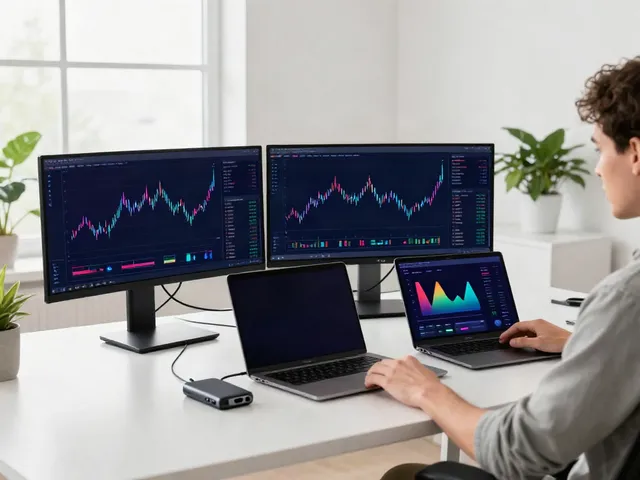
Understanding Tushare and Its Role in Cryptocurrency Data Access
The expanding landscape of cryptocurrency and blockchain technology has intensified the demand for real-time market data, particularly in fast-paced markets such as China. As analysts and traders strive to make data-driven decisions quickly, tools like Tushare, a renowned open-source Python library, play a critical role. Tushare offers essential insights into the Chinese stock markets, providing historical data, real-time updates, and a platform for algorithmic trading. However, as trading strategies evolve, particularly in the world of cryptocurrency, the integration of real-time data feeds becomes crucial for quants looking to capitalize on market movements. In exploring alternatives, platforms such as tushare and iTick are gaining prominence for their capabilities in providing real-time data access for China A-share and Hong Kong stock markets through Python APIs. This article delves into Tushare's key features, how it enhances trading strategies, and its comparison with iTick.
What is Tushare and its Key Features?
Tushare is primarily a Python financial data interface that caters to data needs for the Chinese market, making it particularly appealing for researchers and investors interested in market fundamentals. With features allowing access to historical market data, financial statements, and comprehensive datasets, Tushare empowers users to conduct thorough research and analysis. The Pro version enhances this offering by incorporating a points system for accessing specific datasets. Essential features of Tushare include:
- Wide-ranging Data: Access to historical and real-time stock prices, financial statements, industry data, and macroeconomic indicators.
- Points System: Users require a set amount of points for various dataset permissions, ensuring tiered access based on user needs.
- Ease of Integration: Its design allows seamless integration with Python, enabling easy data manipulation and visualization.
- Community Support: As an open-source tool, Tushare enjoys a robust community of users and developers who contribute to its continuous evolution and enhancement.
How Tushare Enhances Trading Strategies
Tushare empowers traders by providing them with critical data needed to devise strategies that are both robust and adaptive to market changes. By offering a vast range of datasets—from real-time quotes to expansive historical databases—investors can backtest strategies, analyze market trends, and refine their approaches. The ability to seamlessly combine technical and fundamental data allows for more informed trading decisions, whether executing manual trades or employing algorithmic trading systems using machine learning techniques to discover patterns in data. Implementing a hybrid strategy using Tushare for historical insights and real-time execution tools like iTick represents a comprehensive approach to trading.
Comparison of Tushare with Other Data Providers
While Tushare remains a powerful tool for Chinese market data, competitors like iTick provide essential advantages, particularly in real-time data provision. iTick delivers not only real-time quotes but also minute-level data for stocks traded on the Shanghai (SSE), Shenzhen (SZSE), and Hong Kong (HKEX) exchanges without the complex points system employed by Tushare Pro. Emerging from the growing demand for instantaneous data, iTick allows traders to access Level 2 market depth, enhancing their trading capabilities significantly. This comparison highlights a typical configuration where Tushare is leveraged for research purposes while iTick handles real-time execution needs. Thus, many traders adopt a dual approach, utilizing both platforms to create a synergistic trading environment.
Setting Up Tushare for Effective Trading
Step-by-Step Installation Guide for Python
To utilize Tushare effectively, users first need to install the package in their Python environment. With Python being a widely-used language for data science and finance, Tushare's integration is straightforward. Here’s a step-by-step guide on setting it up:
- Install Tushare: Open your command line and type pip install tushare.
- Import the Package: Begin your Python script by importing Tushare with import tushare as ts.
- Get Your API Key: Sign up on Tushare's website to gain access to your API key, which you will need for data access.
- Initialize Tushare: Use ts.set_token('your_api_key') to authenticate your session.
Configuring Tushare API for Optimal Data Retrieval
Once Tushare is installed, configuring the API for optimal data retrieval is key to harnessing its full potential. Users can define their desired data outputs, choosing parameters that align with their specific trading strategies. Tushare allows for adjustments in query frequency, type, and format, enabling a tailored experience for different use cases. Additionally, developers can integrate these API calls within extensive trading algorithms, ensuring that data flow is both efficient and effective. Leveraging tools like Jupyter Notebook can facilitate easier manipulation of this data.
Integrating Tushare with Other Tools
Integrating Tushare with other data science and financial libraries like NumPy or Pandas enhances data manipulation capabilities. Analysts often combine Tushare’s dataset exports with Pandas for in-depth analysis, performing operations such as data filtering, aggregation, and time-series analysis. Furthermore, integrating visualization tools like Matplotlib or Seaborn allows traders to create insightful visual representations of market data, which can be vital in understanding trends and patterns.
Real-Time Data Analysis Using Tushare
Using Tushare for Intraday Trading Strategies
Intraday trading heavily relies on real-time data analysis to make quick decisions that capitalize on market movements. Traders can use Tushare to retrieve minute-level data and historical bars that help them define trends. By creating algorithms that trigger buy or sell signals based on predefined criteria, traders can automate their trading processes effectively. This use of real-time data feeds not only mitigates risks associated with timing the market but also facilitates more refined execution strategies.
Analyzing Market Trends with Tushare Data
Traders can employ Tushare to develop sophisticated models that analyze price patterns and volume dynamics. The capability to access multi-dimensional datasets enables a granular approach to market analysis. For instance, implementing statistical techniques such as Moving Averages and Relative Strength Index (RSI) allows traders to identify potential entry and exit points. Combining these analyses with Tushare's extensive dataset capabilities makes for a powerful market evaluation tool.
Leveraging Real-Time Quotes for Decision Making
Real-time quotes gained through Tushare add immense value when making trading decisions. Utilizing data feeds allows traders to react promptly to price fluctuations, thereby maximizing trading efficiency. Moreover, integrating real-time alerts can aid traders in sticking to their strategies by notifying them when specific metrics are met, enhancing their ability to capitalize on short-lived market opportunities.
Advanced Trading Techniques with Tushare
Implementing Technical Analysis with Tushare
Technical analysis is indispensable for traders aiming to forecast future price movements based on past performance. With Tushare, users can easily obtain necessary datasets to compute various technical indicators, such as Bollinger Bands, MACD, or Fibonacci retracement levels. Using Tushare to derive these indicators is critical as they can often trigger trading decisions despite the inherent volatility of the markets.
Developing Algorithmic Trading Systems
Algorithmic trading systems have gained traction as a method to automate the trading process. By leveraging Tushare’s API alongside other Python libraries, traders can create sophisticated algorithmic trading strategies that react to real-time data inputs. These systems typically employ complex logic, including machine learning models, to predict market movements based on historical trends and current data analysis, ultimately aiming for improved returns over discretionary trading methods.
Backtesting Strategies Using Historical Data
Backtesting is critical in validating a trading strategy before deploying it in live markets. Tushare provides accessible historical data that traders can use to simulate their trading strategies based on past market performance. This process allows traders to analyze how their strategies would have performed under varying market conditions, providing essential insights into their potential effectiveness.
Ensuring Security and Compliance while Using Tushare
Best Practices for API Key Management
With access to financial data comes the responsibility of maintaining data security. Users must manage their API keys diligently, ensuring they are never exposed in public repositories or shared unintentionally. It's prudent to rotate API keys regularly and utilize environment variables to safeguard sensitive information.
Avoiding Common Security Pitfalls in Trading
Cryptocurrency trading carries inherent risks, ranging from phishing attacks to malware. Users should remain vigilant, adopting security practices such as two-factor authentication (2FA) and keeping their software updated. Additionally, recognizing scams and leveraging security tools can help mitigate these risks effectively.
Understanding Regulatory Requirements in 2026
In the rapidly evolving landscape of cryptocurrency and blockchain technology, adhering to regulatory requirements is paramount. As of 2026, various jurisdictions are implementing stringent regulations governing cryptocurrency operations, which includes identifiers for securities, anti-money laundering (AML) requirements, and Know Your Customer (KYC) principles. Staying updated on these regulations is necessary for compliance and reducing legal risks.
What are the benefits of integrating Tushare with other tools?
Integrating Tushare with libraries like Pandas and NumPy allows traders to analyze vast datasets more effectively. This synergy can enhance data visualization and result in more nuanced decision-making processes. Furthermore, combining insights from machine learning libraries can automate trading decisions, leading to improved efficiency.
How can I optimize my trading performance using Tushare?
To optimize trading performance with Tushare, users should focus on refining their strategies based on analytics derived from the data. Establishing solid risk management protocols and adapting to market conditions while utilizing Tushare's comprehensive datasets will enhance the chance of improving trading outcomes.
What security measures should I take when using Tushare?
Security measures must include managing API keys securely, enabling two-factor authentication, and avoiding the exposure of sensitive information. Educating oneself about the different types of cyber threats and adopting protective measures can significantly reduce vulnerabilities when trading.
Can Tushare be used alongside other data APIs?
Yes, Tushare can seamlessly integrate with other data APIs, which can enhance the breadth of data analysis and provide more comprehensive insights for trading decisions. Combining multiple data sources can help traders gain a competitive edge.
What updates to Tushare should I be aware of in 2026?
Investors should keep an eye on updates regarding Tushare’s offerings, including any changes in their API structure or data access points based on market regulations. Staying informed allows users to optimize their strategies by making use of newly available datasets and features.