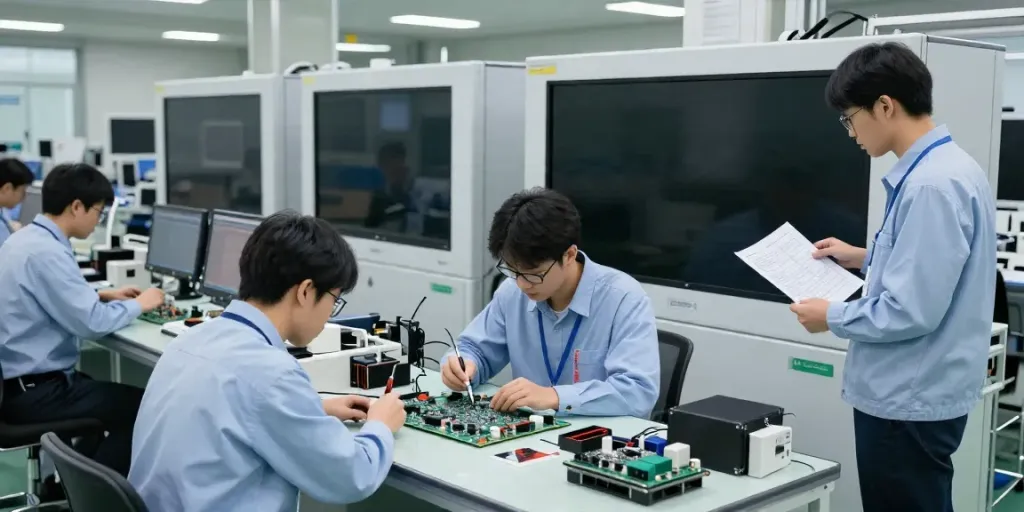
Understanding Electronic Manufacturing Services
In the rapidly evolving landscape of technology, businesses are continually seeking solutions that enhance efficiency, reduce costs, and improve product quality. Electronic manufacturing services (EMS) have emerged as a critical component in the electronics supply chain, providing a comprehensive suite of services that streamline the development and production of electronic products. These services encompass everything from design and prototyping to manufacturing, testing, and logistical support. As industry demands grow, the role of EMS in supporting Original Equipment Manufacturers (OEMs) and their supply chains is more crucial than ever.
What are Electronic Manufacturing Services?
Electronic manufacturing services refer to the outsourcing of manufacturing operations for electronic components and devices. EMS providers take on the responsibility of the entire supply chain process, which includes:
- Design and Engineering: Collaborating with clients to create effective designs that meet specifications.
- Prototyping: Developing early models to test and refine designs.
- Manufacturing: Producing large volumes of products using advanced machinery and skilled labor.
- Testing: Conducting rigorous quality assurance to ensure products meet performance standards.
- Logistics: Handling packaging, shipping, and distribution to ensure timely delivery.
Key Components of EMS
The key components that define quality EMS include:
- Flexible Manufacturing Systems (FMS): These systems allow for quick adjustments in production to adapt to changing customer demands.
- Supply Chain Management: Efficient coordination with suppliers to secure materials and components in a timely fashion.
- Quality Control: Implementing robust quality assurance procedures, such as automated inspections and testing protocols.
- After-Sales Services: Providing repair, maintenance, and support services post-delivery to ensure customer satisfaction.
Benefits of Using EMS for OEMs
Outsourcing manufacturing to an EMS provider offers numerous advantages for OEMs, including:
- Cost Savings: EMS companies can leverage economies of scale to reduce production costs.
- Access to Expertise: EMS firms are often specialists in electronic components, providing OEMs with access to advanced knowledge and resources.
- Faster Time to Market: With established processes, EMS providers can significantly reduce the lead time from design to production.
- Focus on Core Competencies: OEMs can concentrate on their primary business functions while outsourcing complex manufacturing tasks.
Comparing EMS with Traditional Manufacturing
Differences Between EMS and Traditional PCB Assembly
While both EMS and traditional PCB assembly deal with manufacturing electronic components, their approaches differ significantly. Traditional assembly might focus on assembling components based on client specifications without necessarily providing end-to-end services. In contrast, EMS takes a holistic approach, offering integrated services that include design, logistics, and after-sales support, which enhances the overall efficiency and product quality.
Cost Efficiency in Electronic Manufacturing Services
Cost efficiency is a hallmark of EMS. These providers utilize advanced manufacturing techniques and technologies to streamline production processes, which can lead to substantial cost reductions. By gaining access to bulk purchasing options for materials and employing skilled labor in regions with lower production costs, EMS companies can pass these savings on to OEMs, making outsourcing a financially attractive option.
Quality Control Processes in Both Approaches
Quality control remains a critical concern whether utilizing EMS or traditional manufacturing. EMS providers implement rigorous quality management processes throughout the production cycle. These may include:
- Automated Testing: Utilizing technology to perform tests and inspections automatically to enhance accuracy.
- Statistical Process Control (SPC): Monitoring production processes in real-time to ensure quality standards are maintained.
- Root Cause Analysis: Analyzing defects and implementing corrective actions to prevent recurrence.
Current Trends in EMS for 2026
Emerging Technologies Shaping EMS
As we move into 2026, several emerging technologies are poised to transform the EMS landscape:
- Artificial Intelligence (AI): AI can optimize various processes, from production scheduling to predictive maintenance.
- Internet of Things (IoT): IoT devices can enhance manufacturing processes by providing real-time data analytics.
- Advanced Robotics: Automation through robotics can increase efficiency and reduce human error in assembly lines.
Market Growth Predictions for Electronic Manufacturing Services
The EMS market is projected to experience substantial growth over the next several years. Factors driving this growth include increasing demand for consumer electronics, the rise of electric vehicles, and the ongoing shift towards automation in manufacturing. As technology continues to evolve, EMS providers will need to adapt quickly to meet these new demands.
How Automation is Revolutionizing EMS
Automation is becoming a cornerstone of the EMS industry. Implementing robotic process automation (RPA) allows for higher precision and greater efficiency in assembly lines. This not only reduces the time required for production but also minimizes human error, leading to more consistent product quality.
Challenges in Electronic Manufacturing Services
Common Misconceptions about EMS
One of the common misconceptions around EMS is that it is solely about cost-cutting. While affordability is a significant aspect, many EMS providers prioritize quality, innovation, and customer satisfaction just as much. Another misconception is that EMS is only applicable to large-scale manufacturers; in reality, numerous EMS providers cater to small and mid-sized businesses, offering scalable solutions tailored to their needs.
Compliance and Regulatory Issues
Compliance with global standards and regulations is a significant hurdle in the EMS sector. Providers must navigate various certification requirements, which can differ from region to region. Failure to comply can result in severe penalties and can damage relationships with OEMs.
Logistical Challenges in Global Supply Chains
The recent disruptions in global supply chains have highlighted the vulnerabilities in logistics for EMS. Factors such as trade regulations, shipping delays, and demand fluctuations can affect the timely delivery of components and products. Companies must invest in robust supply chain management solutions to mitigate these risks.
Future of Electronic Manufacturing Services
Innovations to Watch in 2026
Looking ahead, several innovations are set to shape the future of EMS. The integration of blockchain technology for supply chain transparency is gaining traction, promising enhanced traceability of materials and components. Furthermore, advancements in 3D printing could revolutionize prototyping and small-batch production, making it easier and faster for companies to bring new products to market.
Impact of Sustainability on Electronic Manufacturing
Sustainability is becoming increasingly important in manufacturing. EMS providers are adopting eco-friendly practices, such as reducing waste, using sustainable materials, and improving energy efficiency in production processes. This shift not only helps the environment but also meets the growing consumer demand for sustainable products.
Strategic Partnerships in the EMS Landscape
As the EMS industry evolves, strategic partnerships between OEMs and EMS providers are becoming more common. These partnerships can drive innovation, enhance capabilities, and streamline processes. By leveraging each other's strengths, both parties can improve product offerings and market competitiveness.