Understanding the Celebrity Look-Alike Trend
In the age of social media and instant gratification, the fascination with finding a celebrity look-alike has surged to new heights. With the advent of advanced facial recognition technology and AI-based applications, people are increasingly curious about which famous personalities they resemble. This article dives deep into the phenomenon of look like celebrities, exploring its cultural significance, technological underpinnings, and user experiences.
What Does It Mean to Look Like Celebrities?
To "look like" a celebrity typically refers to possessing physical attributes that closely resemble those of a well-known public figure. This can include similar facial features, hair color, and overall appearance. The allure of this concept often stems from the societal fascination with celebrity culture, where individuals aspire to be part of that glamorous world.
Historical Context of Celebrity Look-Alikes
The idea of celebrity look-alikes is not a new phenomenon. Throughout history, people have drawn comparisons between themselves and the rich and famous. From doppelgangers in folklore to modern-day impersonators, the concept has long captivated audiences. However, it wasn't until photographic technology and, subsequently, digital advancements that people could visually explore these likenesses with ease.
The Rise of Look-Alike Technology
With the rise of artificial intelligence and sophisticated algorithms, look-alike technology has transformed the way we determine our celebrity counterparts. Applications and websites now utilize face recognition to analyze users' photos, comparing them against extensive databases of celebrity images. This surge in technology has made it accessible and exciting for users to engage with their own likenesses.
How Look-Alike Apps Work
Understanding how these apps operate can enhance user experiences and expectations. Many applications leverage advanced technologies, including AI, to intuitively match photos through various facial recognition processes.
Key Technologies Behind Celebrity Matching
Most modern look-alike applications employ a combination of machine learning and neural networks to analyze facial features. These technologies allow the app to recognize similarities in facial structure, such as the distance between eyes, nose shape, and jawline, making them capable of delivering surprisingly accurate results.
Using AI and Machine Learning in Face Recognition
AI technology enables devices to "learn" from enormous datasets of celebrity images. Machine learning algorithms refine their accuracy over time as they process more images. Users can see improved results and more personalized matches as the algorithms evolve, making the engagement process more enjoyable.
Comparing Popular Celebrity Comparison Apps
As more apps flood the market, it can be challenging to choose one that meets your needs. Popular options like "StarByFace" and "Celebs Like Me" allow users to upload photos and receive instant feedback on their celebrity doppelgangers. These platforms often come with user-friendly interfaces designed to engage casual users and celebrity enthusiasts alike.
User Experience: Engaging with Look-Alike Apps
The user interface and experience play a significant role in how users perceive these apps. A seamless experience can turn a fleeting curiosity into consistent engagement.
Best Practices for Uploading Photos
To get the best results from look-alike apps, users should consider best practices while uploading photos. Clear, well-lit images showcasing the full face without obstructions typically yield the most accurate matches. Avoid filters and heavy makeup, as these can skew the app's results.
Interpreting Your Results: What to Expect
Once the app analyzes the uploaded photo, it will present a list of celebrity matches along with similarity scores. Users should interpret these results as fun and entertaining rather than definitive. While some matches can be strikingly accurate, others may take creative liberties.
Sharing Results: Connecting with Friends
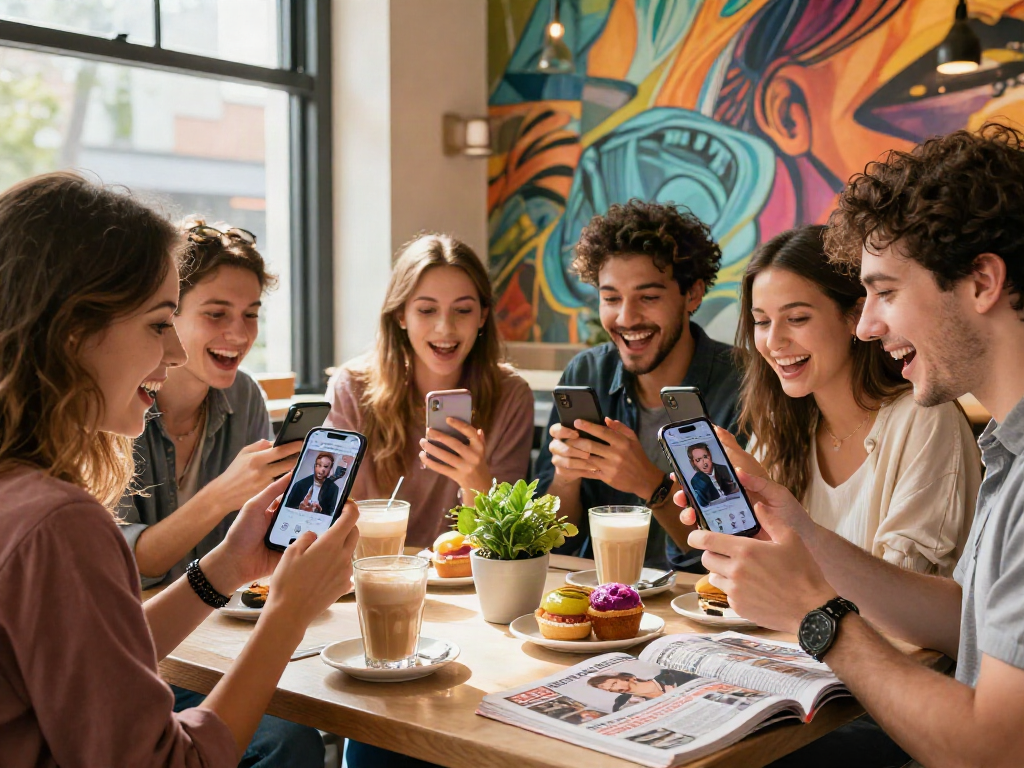
The social aspect of look-alike apps enhances their appeal. Users can easily share their results on social media, inviting friends to participate and discover their celebrity counterparts. This communal experience can lead to viral trends, as more people engage with the concept of celebrity look-alikes.
Challenges and Misconceptions
As popular as look-alike apps may be, several challenges and misconceptions persist regarding their use and effectiveness.
Addressing Privacy Concerns with Photo Sharing
Privacy is a major concern for users of any app that requires photo uploads. Users should be aware of each app's privacy policy and how their data will be used. Many reputable apps anonymize the data collected, but it's crucial to ensure that your chosen app prioritizes user privacy.
Common Myths Around Look-Alike Accuracy
Some users may believe that look-alike apps provide a precise scientific match. In reality, these applications are merely algorithms making educated guesses based on facial recognition technologies. It is important to manage expectations and view the results as entertainment rather than fact.
Navigating User Expectations vs. Reality
User expectations can sometimes diverge from reality, especially when results do not mirror their expectations. It's essential for users to understand that look-alike results are meant to be fun and should not be taken too seriously.
Future Trends in Celebrity Look-Alike Technology
The world of look-alike technology is ever-evolving, with new advancements promising to enhance user experiences and accuracy.
Predictions for Look-Alike Apps in 2026
As technology continues to improve, we can expect look-alike apps to become more sophisticated in their analysis. With advancements in AI and machine learning, these tools will likely offer even more personalized and accurate results, adapting to user feedback over time.
Emerging Features Users Can Expect
Future look-alike applications may incorporate augmented reality (AR) to provide even more interactive experiences. Imagine being able to see yourself not just as a celebrity, but in scenes from their movies or public appearances!
Impact of Social Media on Look-Alike Trends
Social media will continue to play a substantial role in shaping celebrity look-alike trends. As users share their experiences, the community around look-alike apps will expand, encouraging more individuals to engage with these technologies.
What are the most popular celebrity look-alike apps?
Among the most sought-after apps are "StarByFace" and "Face Shape Detector," that provide unique and entertaining experiences in finding celebrity look-alikes. These apps have become recurrent mentions in popular discussions about self-image and celebrity culture.
Can I really find out who I look like without uploading a photo?
While some apps offer limited capabilities without photo uploads, the most accurate results typically require users to upload a clear picture of their face.
Are look-alike results accurate or just for fun?
Look-alike results are primarily designed for entertainment. Although some matches can be surprisingly accurate, users should take them with a grain of salt.
How do I improve my matches with these apps?
To enhance your chances of receiving accurate and favorable matches, ensure that your uploaded photos are of high quality, showing your face clearly without distractions.
What are the privacy policies of popular look-alike apps?
Privacy policies can vary widely among different apps. Users should always review these policies to understand how their data will be used, shared, and stored.