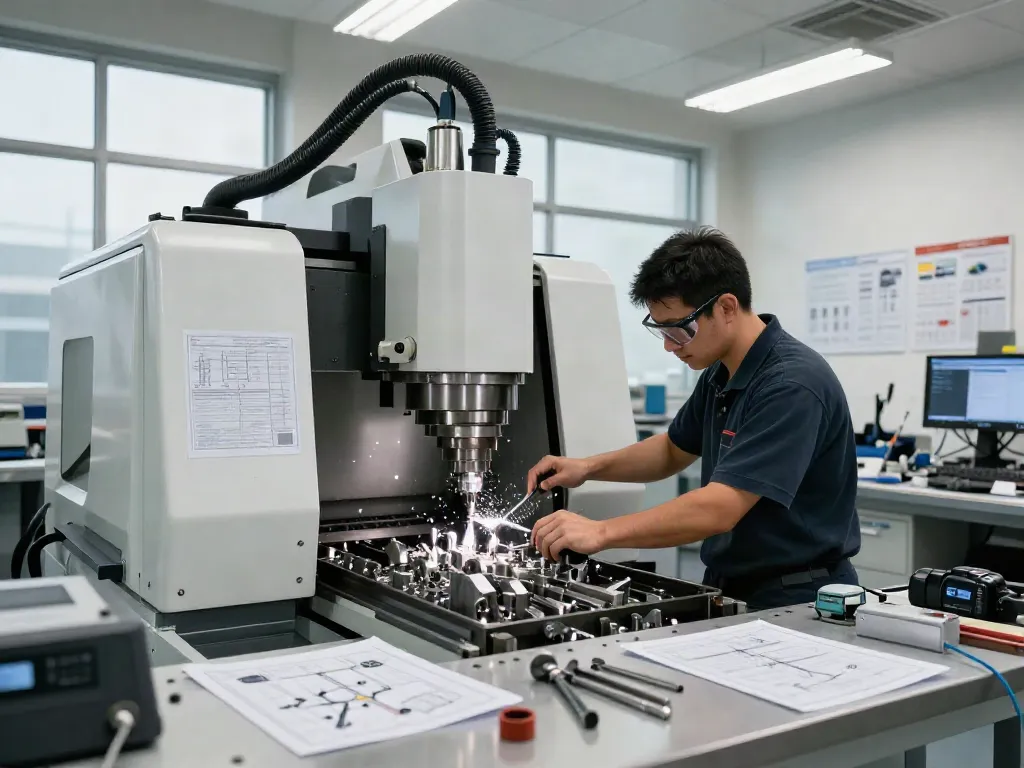
Understanding CNC Machining in Aerospace
CNC machining, or Computer Numerical Control machining, is a cornerstone of modern manufacturing in the aerospace industry. This sophisticated technology allows for the precise fabrication of components that meet stringent industry standards. The aerospace sector demands high precision and reliability, which is where CNC machining excels. With over 20 years of experience, leading aerospace cnc parts manufacturers have established themselves as essential partners in developing and producing components that are both innovative and efficient.
What is CNC Machining?
CNC machining involves the use of computer software to control machine tools in the manufacturing process. This technology automates the tasks of cutting, milling, drilling, and lathing, resulting in parts that are consistent and precise. A CNC machine interprets a digital file from CAD (Computer-Aided Design) software, allowing it to manufacture complex geometries that would be incredibly challenging to create manually.
The Importance of Precision in Aerospace Manufacturing
Precision manufacturing is vital in the aerospace industry, where even the smallest discrepancies can lead to catastrophic failures. Components such as engine parts, landing gear, and instrumentation must adhere to exact specifications. CNC machining facilitates this level of detail, providing a consistency that is essential for safety and functionality in aerospace applications.
Overview of Leading Aerospace CNC Parts Manufacturers
There are many reputable companies in the sector. For instance, Ardel Engineering and Owens Industries lead the industry with their advanced CNC machining capabilities. These manufacturers focus on quality assurance and have robust testing protocols, ensuring their products meet the highest aerospace standards.
Key Materials for Aerospace CNC Machining
Commonly Used Aerospace Metals and Their Properties
The aerospace industry relies heavily on a range of metal materials, each selected for its specific properties. Commonly used metals include:
- Aluminum: Known for its lightweight and corrosion resistance.
- Titanium: Offers high strength-to-weight ratios, ideal for critical structural components.
- Steel: Utilized for its durability and strength in various applications.
- Nickel Alloys: Excellent heat resistance, often found in turbine components.
Advantages of Plastic Materials in Aerospace Applications
While metals dominate aerospace manufacturing, plastics also play a crucial role. Materials such as PEEK (Polyether Ether Ketone) and POM (Polyoxymethylene) are used for their lightweight properties and excellent chemical resistance. These materials often feature in interior components, offering an excellent balance between strength and weight.
Innovative Material Trends for 2026
As we look towards 2026, the aerospace industry is witnessing a shift towards advanced materials such as composites and additive manufacturing. Composite materials, which combine two or more constituent materials, offer excellent strength-to-weight ratios and are used effectively in aerospace applications. Additive manufacturing, or 3D printing, allows for rapid prototyping and complex geometries that can reduce waste and lead times significantly.
Best Practices for Safe CNC Machining
Essential Safety Protocols in CNC Machining Workshops
Safety must always be a priority in CNC machining. Implementing strict safety protocols protects machinists and ensures the integrity of the manufacturing process.
- Regularly scheduled safety training for all personnel.
- Proper personal protective equipment (PPE) should be worn at all times.
- Emergency shut-off mechanisms must be clearly marked and accessible.
Training and Development for Aerospace Machinists
Continuous education is vital for aerospace machinists, given the rapid advancements in technology and techniques. Training programs should focus on the latest CNC technologies, material properties, and safety protocols to enhance skills and improve workplace safety.
Common Hazards and How to Mitigate Them
Common hazards in CNC machining include cuts, burns, and equipment malfunctions. Mitigation strategies include regular equipment maintenance, proper storage of tools, and ensuring a clean and organized workspace.
The Future of Aerospace CNC Machining
Emerging Technologies in Aerospace Manufacturing
As technology evolves, the aerospace industry is set to embrace innovations such as artificial intelligence and machine learning in CNC machining. These technologies will optimize production processes, reduce costs, and enhance the accuracy of component manufacturing.
Trends Shaping the CNC Machining Industry in 2026
Several trends are emerging as we approach 2026, including a shift towards automation and smart manufacturing. Investing in automated CNC systems will allow manufacturers to maintain production efficiency while improving precision and safety in the workshop.
The Role of Sustainability in Aerospace Manufacturing
With growing concerns regarding environmental impact, sustainability is becoming a critical factor in aerospace manufacturing. Companies are now focusing on using sustainable materials and implementing eco-friendly practices, which is essential for future competitiveness.
Case Studies: Success Stories in Aerospace CNC Parts Production
Innovative Solutions from Leading Aerospace Manufacturers
Leading manufacturers are finding innovative solutions to meet the growing demands of the aerospace industry. Case studies highlight successful integration of CNC technologies that have significantly improved production timelines while maintaining quality.
Real-World Applications of Precision CNC Machining
CNC machining's precision capabilities are evident in applications such as the production of fuel injector nozzles and turbine blades. These components not only require high precision but also must withstand extreme conditions.
Lessons Learned from Production Challenges
Manufacturers often face challenges in balancing cost, quality, and speed. Learning from past production issues enables companies to refine their processes, implement better materials, and ultimately deliver better products.
What are the top CNC manufacturers?
Leading CNC manufacturers include organizations that specialize in various aspects of CNC technology. Their focus on quality and precision keeps them at the forefront of the aerospace industry.
Who are the leading aerospace parts manufacturers?
Some of the biggest names in aerospace manufacturing, such as Boeing and Lockheed Martin, highlight the competitive landscape of CNC machining in this industry.
What are the latest innovations in aerospace machining?
Innovations such as hybrid manufacturing processes and IoT integration are poised to redefine the commercial aerospace sector.
How to choose a reliable CNC parts manufacturer?
Choosing a reliable manufacturer involves assessing their certifications, understanding their material capabilities, and reviewing client testimonials.
What safety measures should be taken during CNC machining?
Incorporating comprehensive safety measures is essential for preventing accidents and ensuring a productive work environment. This includes training personnel and maintaining equipment rigorously.