Understanding Smart Home Technology
As we step into an era defined by technological advancements, the concept of smart home technology has emerged as a game changer in residential living. With innovations aimed at enhancing comfort, convenience, and security, smart homes are revolutionizing the way we interact with our living spaces. This article delves into the essentials of smart home technology, the benefits it offers, and common misconceptions that surround it. When exploring options, جهان اسمارت provides comprehensive insights into the latest advancements in this field.
What is Smart Home Technology?
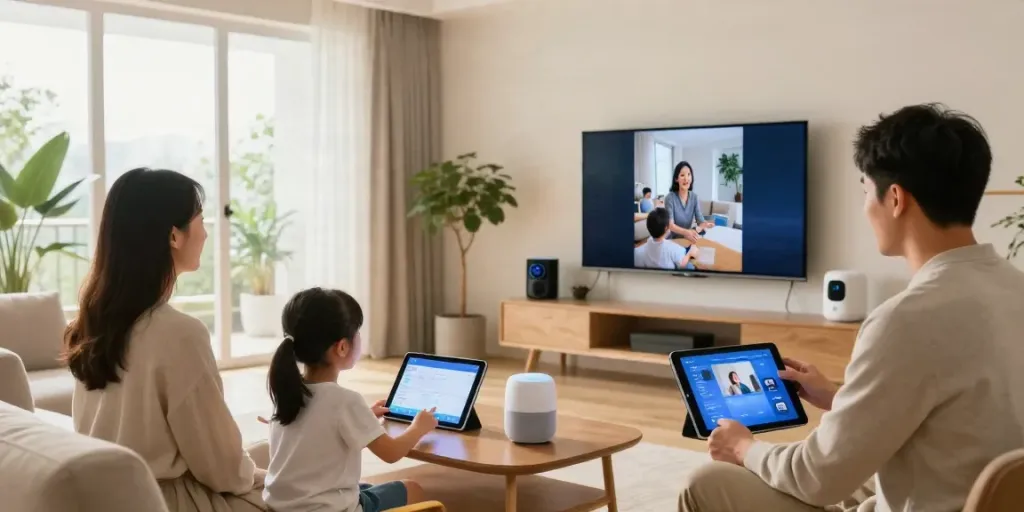
Smart home technology involves the integration of devices and systems that can be controlled remotely, fundamentally altering how residents manage their home. It encompasses a variety of products—from smart thermostats and lighting to security systems and appliances—that communicate through the Internet of Things (IoT). This interconnectedness allows users to monitor and control their homes through smartphones, tablets, or voice commands.
Benefits of Implementing Smart Solutions
There are numerous advantages to adopting smart home technology, including:
- Enhanced Security: Smart home devices like security cameras, smart locks, and alarm systems can be monitored and controlled from anywhere, providing peace of mind.
- Energy Efficiency: Smart thermostats and lighting systems can significantly reduce energy consumption by adjusting settings based on user habits and preferences.
- Convenience: Automation allows for effortless control of various devices, enabling users to set schedules, receive notifications, and manage their home environment more easily.
- Increased Home Value: Homes equipped with smart technology often see an increase in market value, making them attractive options for potential buyers.
Common Misconceptions About Smart Homes
Despite its growing popularity, there are several misconceptions about smart home technology that can deter potential users:
- Too Complicated: Many believe that setting up smart devices is overly complex. However, many products are designed with user-friendly interfaces and straightforward installation processes.
- Privacy Concerns: While data security is crucial, reputable manufacturers prioritize user privacy and implement robust security measures to protect personal information.
- High Initial Costs: Although some smart devices can be expensive, the long-term savings in energy costs and increased home security can offset these initial investments.
Choosing the Right Smart Home Devices
To successfully implement smart home technology, selecting the right devices is crucial. Consider your specific needs, budget, and compatibility with existing systems. Popular smart home categories include:
Key Features to Look For
When purchasing smart devices, keep these features in mind:
- Compatibility: Ensure that devices can integrate seamlessly with each other and with existing home systems.
- User-Friendly App Controls: A well-designed app interface allows for easier monitoring and customization of devices.
- Security Features: Devices should come equipped with robust security measures, including encryption and regular software updates.
- Energy Efficiency Ratings: Look for devices that promote energy savings and sustainability.
Top Brands and Their Offerings
Some leading companies in the smart home industry include:
- Google Nest: Known for its smart thermostats and security cameras, Google Nest focuses on user-friendly designs and integration with Google Assistant.
- Amazon Alexa: Amazon offers a range of smart devices, including Echo speakers and Ring security products, that integrate under the Alexa ecosystem.
- Philips Hue: Specializing in smart lighting, Philips Hue provides customizable lighting solutions that are easy to control remotely.
Future Trends in Smart Home Products
As technology evolves, several key trends are emerging in the smart home arena:
- Increased Voice Control: Voice-activated systems are becoming more prevalent, making interactions more intuitive.
- AI Integration: Artificial intelligence is being used to create smarter home systems that learn user behaviors and optimize performance accordingly.
- Enhanced Interoperability: Future devices are likely to improve integration across various platforms and brands, making smart homes even more cohesive.
Installation and Setup of Smart Home Systems
Installing smart home devices can be done either by yourself (DIY) or through professional services. Choosing the right method will depend on your comfort level with technology and the complexity of the devices.
DIY vs. Professional Installation
While many smart devices are designed for easy DIY installation, some systems, particularly those related to security and home automation, might benefit from professional installation. Here’s a breakdown:
- DIY Installation: Ideal for straightforward devices like smart bulbs and plugs; many products come with step-by-step guides.
- Professional Installation: Recommended for complex systems such as security cameras and smart locks, ensuring optimal setup and functionality.
Steps to Install Your First Smart Device
To get started with a DIY installation, follow these general steps:
- Read the user manual thoroughly.
- Ensure your home Wi-Fi network is stable and secure.
- Download the necessary app for the device.
- Follow installation instructions, connecting the device and ensuring it is powered on.
- Test the device to confirm it is working correctly.
Common Setup Challenges and Solutions
Users may encounter troubleshooting issues during setup, but common challenges can often be resolved with a few simple solutions:
- Wi-Fi Connectivity Issues: Ensure the device is within range of the router and that the network is functioning properly.
- App Compatibility: Always check for updates to the device’s app for potential bug fixes and enhancements.
- Device Reset: If a device is not responding, a factory reset may be necessary to start fresh.
Integrating Smart Home Systems for Efficiency
Efficiency increases when smart home systems communicate effectively with each other. Integration plays a key role in optimizing performance and convenience.
Best Practices for System Integration
Consider these best practices when integrating devices:
- Centralized Control: Use a single app or hub to manage all your devices, minimizing complexity.
- Compatibility Checks: Before purchasing, ensure devices are compatible with your existing setup.
- Automate Regular Tasks: Program devices to operate automatically based on your routines or preferences.
Creating an Automated Environment
An automated environment enhances the user experience. Common automation examples include:
- Lighting Automation: Set lights to turn on or off at specific times or in response to motion.
- Thermostat Scheduling: Adjust heating and cooling based on occupancy or time of day to save energy.
- Security Alerts: Receive notifications for unusual activities or events detected by security cameras.
Performance Metrics for Smart Home Systems
To evaluate the effectiveness of your smart home systems, consider these performance metrics:
- Energy Usage Tracking: Monitor energy consumption through apps to identify savings opportunities.
- System Response Times: Evaluate how quickly devices respond to commands or automation schedules.
- User Satisfaction: Collect feedback from household members regarding usability and performance.
Maintaining and Upgrading Your Smart Home
Regular maintenance and periodic upgrades are essential to ensure your smart home systems remain effective and up-to-date.
Regular Maintenance Tips for Smart Devices
Follow these maintenance tips to prolong the lifespan of your devices:
- Software Updates: Keep all software and firmware updated to benefit from the latest features and security protections.
- Clean Devices Regularly: Dust and dirt can affect performance. Regular cleaning helps maintain functionality.
- Review Settings: Periodically check device settings and permissions to ensure optimal operation.
When to Upgrade Your System
It may be time to upgrade if you notice:
- Devices are outdated and no longer receiving updates.
- Your needs have changed, requiring more advanced capabilities.
- Compatibility issues preventing integration with new devices.
Future Innovations to Watch
The smart home industry is continually evolving, with upcoming innovations expected to enhance user experiences:
- Advanced AI Capabilities: Future systems will likely utilize AI for more intuitive automation and smarter decision-making.
- Sustainability Features: Increased focus on energy-saving technologies and eco-friendly devices will likely shape the next generation of smart homes.
- Improved User Interfaces: Expect more seamless interactions and enhanced user experiences through advanced app designs and voice controls.
What are the best smart home systems for beginners?
For those new to smart home technology, systems that are easy to install and user-friendly are ideal. Options like Google Nest or Amazon Alexa provide comprehensive ecosystems that cater to novices through simple setups and effective support.
How does smart home technology improve security?
Smart home technology enhances security by offering real-time surveillance, remote monitoring, and automated alerts, allowing homeowners to respond quickly to potential threats.
What costs are involved in setting up a smart home?
The costs for setting up a smart home can vary significantly based on the number and type of devices you choose. A basic setup with essential devices may start at a few hundred dollars, while a comprehensive system with advanced features can run into several thousand.
Can I integrate smart devices from different brands?
Yes, many smart home systems are designed for compatibility across various brands. However, it’s essential to verify integration capabilities before purchase, as not all devices will work seamlessly together.
How do smart homes impact energy consumption?
Smart homes typically reduce energy consumption by optimizing resource usage. Smart thermostats, for example, learn user habits and adjust heating and cooling schedules accordingly, ultimately leading to significant savings on energy bills.