Understanding TradingView's Key Features
The trading landscape is becoming increasingly intricate and competitive, with traders seeking tools that offer a seamless blend of functionality, accessibility, and real-time analysis. One standout platform in this arena is TradingView, which provides a comprehensive suite of features that cater to both novice and experienced traders. With real-time data across various markets and sophisticated charting tools, TradingView facilitates informed decision-making and improved trading outcomes.
What Are the Primary Functionality Benefits?
TradingView's primary functionality benefits stem from its multifaceted capabilities which include comprehensive market data, an expansive library of technical indicators, and robust charting tools. These features allow for detailed technical analysis, enabling traders to identify trends and potential entry and exit points with precision.
- Real-time Data: Access to live market feeds from multiple exchanges ensures that traders make decisions based on the latest information.
- Technical Indicators: Over 100 built-in indicators help analyze price trends, volume, and momentum.
- Customizable Charts: Users can create and modify charts to suit their analysis preferences, using features such as drawing tools, timeframes, and layouts.
How TradingView Enhances User Experience
TradingView is thoughtfully designed to enhance the user experience through its intuitive interface and cross-platform functionality. This platform allows traders to seamlessly transition between devices, maintaining continuity in their analysis.
The availability of desktop applications for Windows, macOS, and Linux, along with mobile apps for iOS and Android, means traders can engage with their trading strategies wherever they are. This flexibility is vital in a fast-paced market environment.
Comparison of Free vs. Paid Features
One of the appealing aspects of TradingView is its tiered subscription model, which provides options for both casual and serious traders. The free version offers a robust set of features including basic charting tools and a limited number of indicators. In contrast, the paid plans unlock premium features such as:
- Unlimited Indicators: While the free version restricts the number of indicators, paid subscriptions allow for multiple indicators simultaneously.
- Advanced Charting Tools: Subscribers get access to advanced technical analysis features that enhance their ability to analyze market movements.
- Custom Alerts: Paid versions offer advanced alert functionality, notifying users of significant market changes based on user-defined criteria.
Charting Tools and Technical Analysis Capabilities
Exploring Charting Options in TradingView
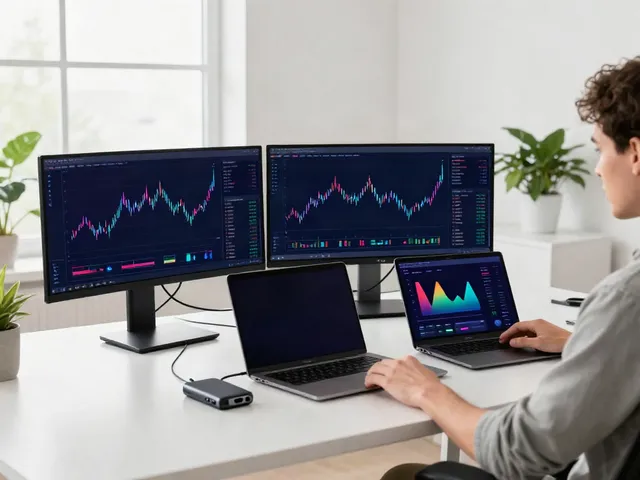
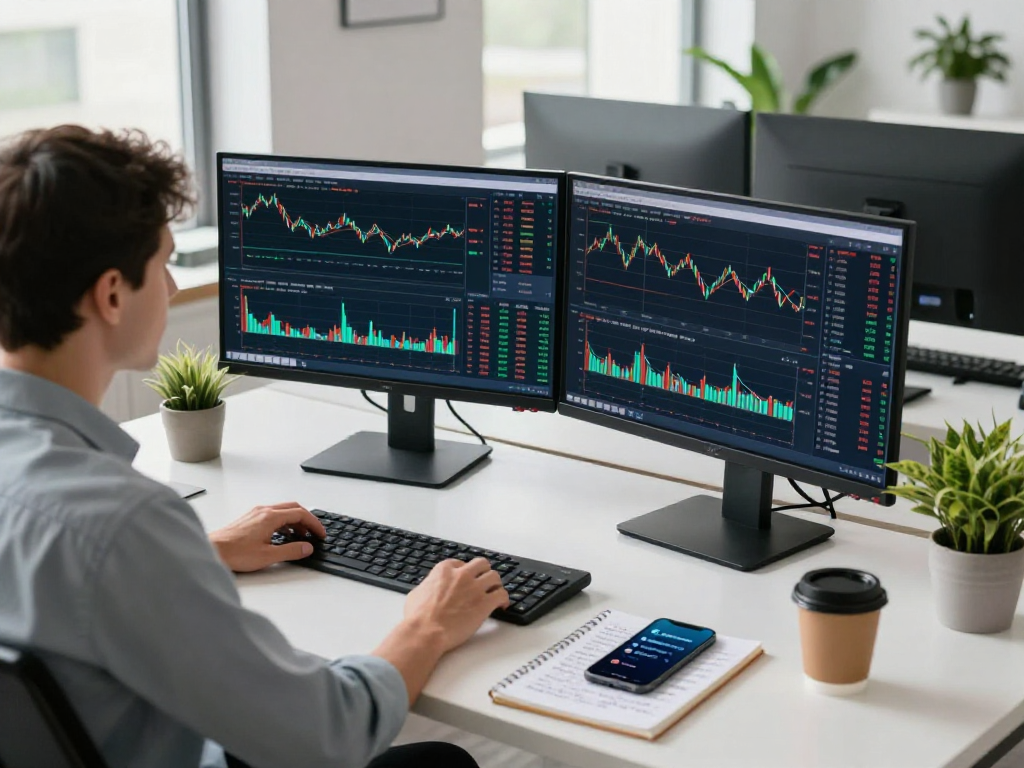
At the heart of TradingView's offerings is its sophisticated charting interface. Users can choose from a variety of chart types, such as candles, bars, and lines, allowing them to view price movements in the format that suits their trading style best.
The platform supports numerous charting techniques, including:
- Multi-Timeframe Analysis: Traders can analyze price movements over different timeframes by easily switching between them.
- Custom Studies: Users can create scripts based on their trading strategies using Pine Script, TradingView's proprietary programming language.
How to Utilize Technical Indicators Effectively
Integrating technical indicators into trading strategies is vital for making informed decisions. Traders can employ indicators such as Moving Averages, Relative Strength Index (RSI), and Bollinger Bands to evaluate market conditions comprehensively.
To effectively utilize indicators on TradingView, consider the following tips:
- Create a Balanced Indicator Set: Use a combination of trend-following and momentum indicators to gain holistic market insights.
- Customize Indicator Settings: Adjust default settings based on market conditions and personal trading strategies for better alignment with specific goals.
Real-World Examples of Chart Analysis
Real-world application of TradingView’s charting tools can yield valuable insights. For instance, during a recent market rally, analysts used Fibonacci retracement levels to predict potential pullback zones, successfully guiding traders on optimal entry and exit points. Such real-time analysis exemplifies the platform’s capability to aid traders in making data-driven decisions amidst market volatility.
Setting Alerts for Optimal Trading
How to Configure Alerts in TradingView
Setting alerts in TradingView is a straightforward process that can significantly enhance trading efficiency. By customizing alerts based on price movements or technical conditions, traders can receive timely notifications that aid in capitalizing on market opportunities.
To configure alerts:
- Select the alert icon on the TradingView interface.
- Define the alert conditions, such as price thresholds or indicator levels.
- Choose notification methods (email, SMS, or app notifications).
- Activate the alert to monitor the set conditions automatically.
Benefits of Alerts for Active Traders
Alerts serve as critical tools for traders who cannot monitor prices constantly. By leveraging alerts, traders can:
- Reduce Inactivity: Stay informed about market changes without being glued to screens.
- Enhance Decision Making: Receive notifications that allow for timely market actions.
Common Mistakes When Setting Alerts
While alerts are invaluable, misconfigurations can lead to missed opportunities. Common mistakes include:
- Setting Alerts Too Broadly: Alerts based on vague criteria can lead to unnecessary notifications and potential confusion.
- Overlooking Key Metrics: Neglecting market fundamentals while relying solely on technical alerts may result in uninformed trading decisions.
Cross-Device Functionality and Accessibility
Using TradingView on Different Platforms
Whether on a desktop, tablet, or smartphone, TradingView ensures a cohesive trading experience. The adaptability of the platform means traders can switch devices without losing any analysis or data. This level of cross-device functionality is crucial for staying engaged with the markets.
Accessing TradingView is possible through:
- Web browsers, ensuring no installation is required.
- Mobile applications for on-the-go trading convenience.
- Desktop applications that offer advanced features for pro users.
Benefits of Seamless Synchronization
The synchronization feature is one of TradingView's standout offerings, allowing users to synchronize their charts, watchlists, and alerts across devices. This functionality ensures that traders can resume their analysis or trading activities from their last session, regardless of where they log in. The benefits include:
- Consistency: Maintain analysis without reconfiguration or loss of data.
- Efficiency: Quickly adapt to changes in market conditions with real-time updates across devices.
Comparing Mobile App vs. Desktop Experience
While both the mobile app and desktop versions of TradingView offer similar core functionalities, there are distinctions to consider. The desktop version typically provides a more extensive range of tools, better suited for detailed analysis, while the mobile app excels in delivering on-the-go access to essential trading features.
For active traders requiring swift execution and a broad analysis scope, the desktop experience is preferred. Conversely, casual traders can find adequate functionality within the mobile application, making it ideal for those who engage in trading sporadically.
Future Trends in Trading Technology
What’s Next for TradingView in 2026?
The future of TradingView looks promising as the platform continues to innovate and adapt to changing market dynamics. With an ongoing commitment to enhancing user experience and integrating new technologies, the platform is likely to introduce even more advanced tools and features in the coming years.
Anticipated trends include:
- AI-Driven Analytics: The integration of artificial intelligence to provide personalized trading signals and market forecasts.
- Enhanced Visualization Tools: Improved charting techniques that incorporate 3D visualizations for deeper analysis.
Emerging Technologies Impacting Trading Platforms
Emerging technologies, including blockchain and machine learning, are expected to fundamentally shift the trading landscape. Blockchain technology will enhance transaction security while machine learning algorithms could generate more precise predictions based on vast data analyses.
Expert Predictions for Market Tools Development
Market experts predict that the next wave of trading tools will focus on enhancing trader adaptability to rapid market changes. Features such as integrated news feeds, social trading functionalities, and community-driven strategy sharing are likely to emerge, allowing traders to leverage collective insights.
What are the Differences Between Alerts and Monitoring?
Both alerts and monitoring are essential components of a trader’s toolkit, but they serve different purposes. Alerts are proactive notifications set by users based on defined criteria, while monitoring refers to the continuous observation of market movements without automatic notifications. Understanding the distinctions helps traders effectively manage their strategies and monitor market conditions more effectively.
Who is Best Suited for TradingView?
TradingView appeals to a wide range of users, including retail traders looking for reliable technical analysis tools, professional traders needing advanced features, and investors seeking real-time data and alerts. Its vast capabilities make it suitable for anyone from beginners to seasoned professionals, provided they are willing to engage deeply with its features.
Do You Need to Install the Desktop Version?
While the desktop version of TradingView offers advanced features, it is not strictly necessary for all users. Many essential functionalities, including charting tools and alerts, are accessible via the web. Users requiring multi-monitor setups or extended analysis capabilities might opt for the desktop client, but most trading activities can be effectively managed through the web interface.