Understanding Water Reclaim Systems
In an era where water scarcity looms large and sustainability is at the forefront of global initiatives, Water Reclaim System have become essential for various sectors, including agriculture, industrial manufacturing, and municipal utilities. These innovative systems not only mitigate water wastage but also enhance water resource management by recycling wastewater for multiple uses. As governments and organizations worldwide emphasize the need for sustainable practices, understanding the fundamentals of water reclaim systems is paramount.
What is a Water Reclaim System?
A Water Reclaim System is a technology designed to treat and recycle wastewater, making it reusable for purposes such as irrigation, industrial processes, or even potable water, depending on the treatment level. The process encompasses various stages, including filtering, purifying, and sometimes disinfecting the water to meet specific quality standards. These systems are crucial for conserving freshwater resources and minimizing environmental impact.
How Do Water Reclaim Systems Work?
Water reclaim systems function through several engineering processes that vary based on the application and desired quality of the reclaimed water. Generally, the process can be broken down into the following key stages:
- Pre-treatment: This initial phase involves screening and removing large solids and debris from incoming wastewater.
- Treatment: Advanced treatment methods are employed, including membrane bioreactors (MBR), ultrafiltration (UF), and reverse osmosis (RO), to purify the water.
- Post-treatment: Additional processes, such as disinfection, are applied before the water is reused.
Benefits of Implementing Water Reclaim Systems
The advantages of implementing water reclaim systems are extensive. They include:
- Cost Reduction: By reducing reliance on freshwater sources, organizations can significantly lower their water and sewage bills.
- Environmental Protection: Recycling wastewater helps in minimizing the discharge of pollutants into natural water bodies, reducing environmental degradation.
- Resource Conservation: Every drop of reclaimed water used is a drop of fresh water saved, making these systems vital in water-scarce regions.
Types of Water Reclaim Systems
Containerized Reclaimed Water Systems Explained
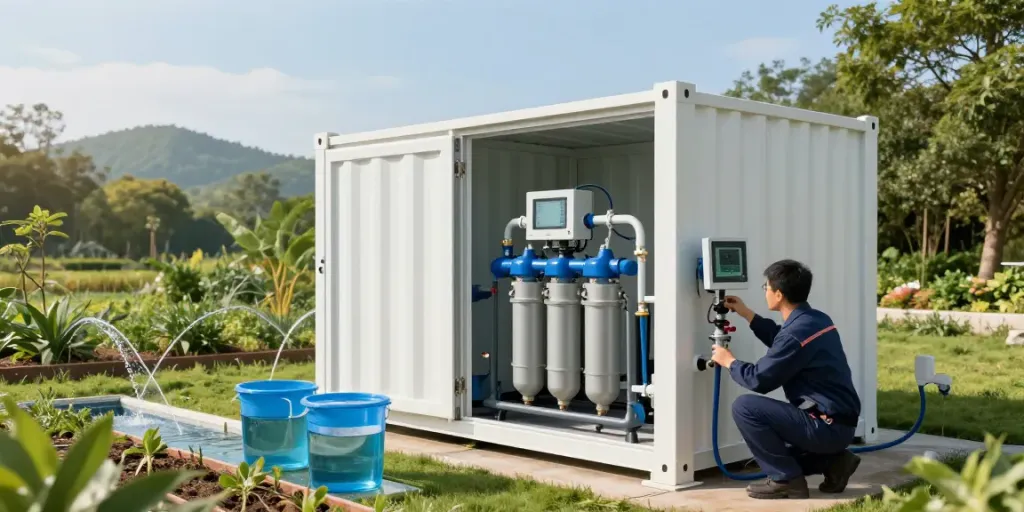
Containerized reclaimed water systems offer a compact and mobile solution for efficient wastewater treatment. These pre-engineered setups integrate advanced treatment processes such as MBR and UF+RO, allowing for the transformation of municipal and industrial effluent into high-quality reusable water. Their modular design enables rapid deployment, making them particularly suitable for remote locations and areas where water scarcity is acute.
Mobile Water Reclaim Solutions for Various Applications
Mobile water reclaim solutions are designed to provide flexibility in various applications, from construction sites to agricultural fields. These systems can be easily transported and installed, allowing users to reclaim water wherever needed. For example, during construction projects, mobile reclaim systems can capture runoff and process it for reuse, minimizing waste and promoting sustainability.
Comparing Different Technologies: MBR, UF, and RO
The three primary technologies used in water reclaim systems are MBR, UF, and RO:
- Membrane Bioreactor (MBR): This combines biological treatment with membrane filtration, providing high-quality effluent that can be used for a variety of purposes.
- Ultrafiltration (UF): A physical separation process that removes suspended solids and macromolecules, yielding clear water suitable for further treatment.
- Reverse Osmosis (RO): This process further purifies water by removing dissolved ions and contaminants, rendering it suitable for sensitive applications like drinking water production.
Implementing Water Reclaim Systems
Assessing Your Water Reuse Needs
Before implementing a water reclaim system, it is essential to assess your specific water reuse requirements. Factors to consider include:
- The volume of wastewater generated.
- The intended use of reclaimed water.
- Local regulations governing wastewater treatment and reuse.
Steps to Set Up a Containerized Water Reclaim System
Setting up a containerized water reclaim system involves several steps:
- Site Assessment: Evaluate the location for feasibility, considering factors like space, accessibility, and proximity to wastewater sources.
- System Selection: Based on your assessment, select a system that meets your treatment needs and budget.
- Installation: Follow the manufacturer’s guidelines for installation, ensuring all components are properly configured for optimal performance.
- Testing and Maintenance: Once installed, conduct thorough testing to ensure the system meets quality standards; routine maintenance should also be scheduled to ensure efficiency.
Common Challenges and Solutions
While implementing water reclaim systems can be highly beneficial, challenges may arise, including:
- Regulatory Compliance: Navigating local laws can be complex; working closely with environmental agencies can facilitate compliance.
- Technical Issues: Unexpected breakdowns may occur; having a skilled maintenance team ensures quick recovery and minimal downtime.
Regulations and Compliance
Understanding Local Water Reuse Regulations
Each region may have specific regulations regarding water reuse, dictated by environmental protection laws and public health standards. It is crucial to familiarize yourself with these regulations to avoid legal complications and ensure safe practices in water reclamation.
Ensuring Your Water Reclaim System Meets Standards
To ensure compliance, water reclaim systems must adhere to quality standards established by local health and environmental agencies. Regular monitoring and reporting of water quality metrics are often required to maintain compliance.
How Compliance Impacts System Design
Compliance requirements can influence the design and operation of water reclaim systems. Incorporating advanced treatment technologies may be necessary to meet stringent regulatory standards. Understanding these implications during the design phase can prevent costly redesigns later.
Future Trends in Water Management
Emerging Technologies in Water Reclamation
The landscape of water management is evolving rapidly, with emerging technologies such as nanofiltration and artificial intelligence making headway in optimizing water reclamation processes. These advancements promise to enhance the efficiency and effectiveness of water treatment systems.
Predictions for Water Sustainability by 2026
By 2026, it is predicted that water sustainability practices will become mainstream across various industries. As technologies evolve and public awareness grows, businesses are likely to integrate water reclaim systems as part of their corporate social responsibility strategies.
How Businesses Can Adapt to Changing Regulations
As regulations around water use and treatment tighten, businesses must remain proactive. Keeping abreast of legislative changes and investing in flexible technologies can make compliance easier and enhance operational efficiency.
What is a water reclaim system?
A water reclaim system is a technology designed to recycle wastewater, transforming it into reusable water for irrigation, industrial processes, and more.
Is reclaimed water cheaper than regular water?
Reclaimed water can often be more cost-effective than conventional freshwater, significantly reducing costs associated with water supply and sewage treatment.
How much does a water recycling system cost?
The cost of a water recycling system varies widely based on its size, technology used, and application, ranging from thousands to millions of dollars.
How to build a water reclamation system?
Building a water reclamation system requires a comprehensive understanding of water chemistry, engineering principles, and regulatory compliance. It is advisable to consult with experts in the field to ensure successful implementation.
What are the environmental benefits of water reclaim systems?
Water reclaim systems offer numerous environmental benefits, including reducing freshwater demand, minimizing wastewater discharge, and supporting ecosystem health.